

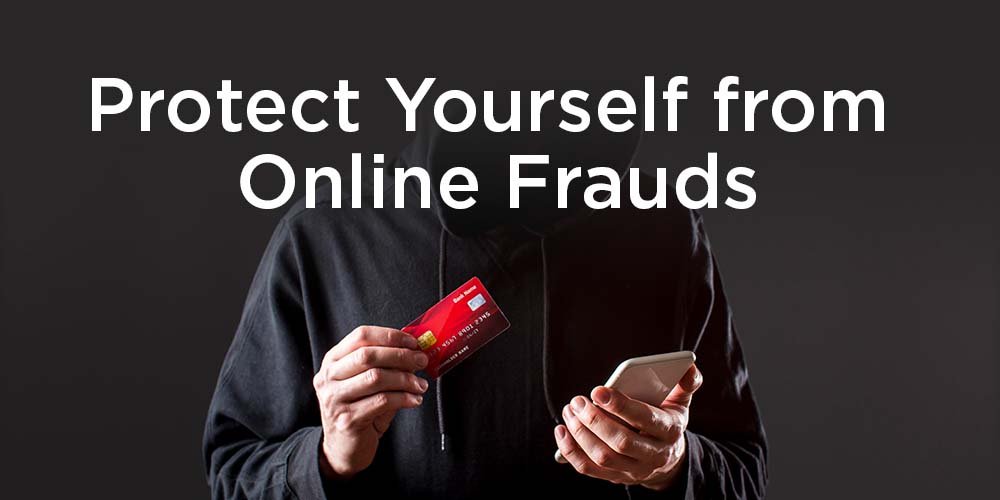
The internet has opened up countless opportunities for us, but it has also become a breeding ground for fraudsters. Every day, millions of people unknowingly fall victim to online scams that compromise their personal information, finances, and peace of mind. But fear not—by staying informed and cautious, you can avoid becoming a target.
How People Get Trapped in Online Frauds:
Online fraudsters use various tactics to deceive victims. Some of the most common methods include:
Phishing Emails and Links
Fraudsters send emails or messages disguised as legitimate institutions (banks, government agencies, etc.). These often contain links that lead to fake websites designed to steal your sensitive data like usernames, passwords, or credit card numbers.
Fake Job Offers and Surveys
Scammers post fraudulent job offers or surveys with promises of easy money. They ask for personal information or payment for a "background check," leaving victims with nothing but empty promises.
Social Media Scams
Scams on platforms like Facebook and Instagram are increasingly common. Fraudsters may pose as friends or trusted brands offering “too good to be true” deals, or they may create fake giveaways to steal your data.
Tech Support Scams
Fraudulent "tech support “tech support” agents claim your computer has a virus and ask you to provide remote access or pay for unnecessary services. Once they have access, they can steal your personal data or lock your system.
Tips to Avoid Online Frauds:
Be Cautious with Links and Attachments
Never click on links or download attachments from unknown or unsolicited emails. Always verify the sender’s email address and, if in doubt, contact the company directly.
Enable Two-Factor Authentication
Protect your accounts by enabling two-factor authentication (2FA) wherever possible. This adds an extra layer of security by requiring a second verification step (like a code sent to your phone).
Verify Job Offers and Online Deals
If a job offer seems too good to be true, it probably is. Always research the company and job posting before submitting personal information or money. Look out for signs like generic email addresses or pressure to act quickly.
Secure Your Social Media Accounts
Keep your social media profiles private and avoid sharing sensitive information publicly. Be skeptical of friend requests or messages from people you don’t know, especially if they’re offering something suspicious.
Use Trusted Security Software
Protect your devices with reliable antivirus software and keep your operating system up-to-date with the latest security patches.
Educate Yourself on Scams
Fraudsters are constantly evolving their tactics. Stay updated on the latest online scams by following news sources, blogs, or government websites that alert the public about new fraud trends.
Conclusion:
In this digital age, online scams are an unfortunate reality. However, with a little caution and awareness, you can avoid falling victim to them. Always trust your instincts and when in doubt, take a step back before sharing personal information online. Stay safe, stay informed!

